Manufactured vs. Prefab Homes: What Buyers Should Know About Foundations and Financing

But if you're considering one of these properties, there's an important detail that shouldn't be overlooked:
How is the home classified, and is it permanently attached to the land?
The answer can make a significant difference when it comes to financing, appraisal, title, and how the property is treated as real estate.
Manufactured, Modular, and Prefab: What's the Difference?
The terms "manufactured," "modular," and "prefab" are sometimes used interchangeably, but they aren't necessarily the same thing.
Manufactured Homes
A manufactured home is a factory-built home constructed according to the federal HUD Manufactured Home Construction and Safety Standards, commonly known as the HUD Code.
For conventional financing, Fannie Mae generally requires the manufactured home to be attached to a permanent foundation and legally classified as real property along with the land.
Manufactured homes can be an affordable alternative to traditional construction, but buyers need to pay close attention to the home's foundation, title, installation, and property classification.
Modular Homes
Modular homes are also built in a factory, but they are generally constructed to applicable state and local building codes rather than the federal HUD Code.
This distinction is important.
A modular home that meets applicable state and local building codes can generally be treated differently from a HUD-Code manufactured home when it comes to conventional financing.
That means a factory-built home isn't automatically considered a manufactured home.
What About "Prefab"?
"Prefab" is a general term describing a home or building components manufactured away from the final building site.
A prefab home can refer to different construction methods, so the word itself doesn't tell you what type of financing the property will qualify for.
That's why buyers should ask:
What type of home is it legally classified as?
Not simply:
Was it built in a factory?
Why Is a Permanent Foundation So Important?
This is one of the biggest questions buyers should ask when considering a manufactured home.
A permanent foundation helps establish that the manufactured home is intended to remain permanently attached to the property rather than being treated as a movable piece of personal property.
For conventional financing, Fannie Mae requires eligible manufactured homes to be legally classified as real property and attached to a permanent foundation system.
Freddie Mac similarly requires eligible manufactured homes to be titled as real property and permanently affixed to a foundation for its conventional mortgage programs.
In other words, the foundation isn't simply about making the home more stable.
It can be an important part of making the property eligible for traditional real-estate financing.
Why Traditional Financing Matters
When a property qualifies as real property and meets the lender's requirements, a buyer may have access to traditional mortgage financing rather than having to rely on financing designed specifically for personal property or manufactured-home units.
That can be significant because traditional mortgage financing may offer:
-
Longer repayment periods
-
Potentially lower interest rates than some personal-property financing
-
More familiar mortgage structures
-
Conventional low-down-payment options for qualified buyers
-
Potential access to certain first-time buyer programs
-
The ability to finance the home and land together when requirements are met
However, qualification is never automatic.
The borrower still has to qualify, and the property must satisfy the specific requirements of the lender and loan program.
It's Not Just About Having "Concrete"
One common misconception is that simply putting a manufactured home on a concrete slab automatically makes it eligible for conventional financing.
That's not necessarily the case.
The foundation system needs to satisfy the applicable requirements, and the home must also meet the lender's requirements for installation, title, appraisal, and real-property classification.
Depending on the loan program and circumstances, documentation may also be needed to demonstrate that the foundation and installation meet applicable requirements.
That's why buyers should have the property reviewed by the lender before assuming a particular loan will work.
What Happens If the Home Isn't Permanently Attached?
If a manufactured home is not permanently attached or is legally treated as personal property, traditional mortgage financing may not be available for that property under a particular conventional program.
This is especially important for buyers who are shopping based on a specific loan program.
You don't want to find the perfect home only to discover after making an offer that your preferred financing cannot be used.
What About FHA Financing?
FHA financing can also be available for manufactured housing, but the property must meet FHA requirements.
Foundation and installation requirements are an important part of the process.
That's another reason why buyers should talk with their lender before making an offer.
What About VA Loans?
Eligible veterans and service members may also have financing options for manufactured homes through VA-backed financing, subject to VA and lender requirements.
The important takeaway is the same:
Don't assume that because a home is manufactured, it cannot qualify for a mortgage.
And don't assume that because it has a slab, it automatically qualifies either.
The home, foundation, land, title, appraisal, borrower, and loan program all need to work together.
Why Modular Homes Can Be Different
This is where understanding the construction type becomes especially important.
A modular home built to applicable state and local building codes can generally be treated differently from a HUD-Code manufactured home.
Freddie Mac notes that modular homes constructed according to state and local building codes can be eligible for conventional mortgages similarly to traditional site-built homes.
That means a buyer shouldn't automatically rule out a factory-built home simply because it wasn't constructed entirely on-site.
The construction method is only one part of the financing picture.
What Buyers Should Ask Before Purchasing
If you're considering a manufactured or factory-built home, ask these questions before getting too far into the process:
1. What type of home is it?
Manufactured, modular, prefab, or another type?
2. When was it built?
The home's age and construction standards can affect financing eligibility.
3. Is there a HUD certification label or data plate?
Manufactured homes generally have documentation identifying their HUD certification.
4. Is the home permanently attached to the foundation?
5. Is the foundation properly documented?
6. Is the home legally classified as real property?
7. Is the land included in the purchase?
8. Can the lender finance the property with the loan program I'm considering?
9. Will the property meet appraisal requirements?
10. Are there any title, lien, zoning, or installation issues?
Getting these questions answered early can save buyers significant time and frustration.
A Foundation Can Affect More Than the Home Itself
For a buyer, the foundation isn't simply a construction detail.
It can affect:
Financing — whether a traditional mortgage program can be used.
Appraisal — how the property is evaluated.
Title — whether the home is treated as part of the real property.
Resale — the pool of future buyers who may be able to finance the property.
Insurance — whether the property meets the requirements of a particular insurer.
Long-term value — the way the property is perceived and treated in the local real estate market.
That's why it's worth investigating before you purchase.
What About New Construction in the Imperial Valley?
If you're looking for a newer home in Imperial County, it's also important to understand that not every factory-built or new-construction home falls into the same category.
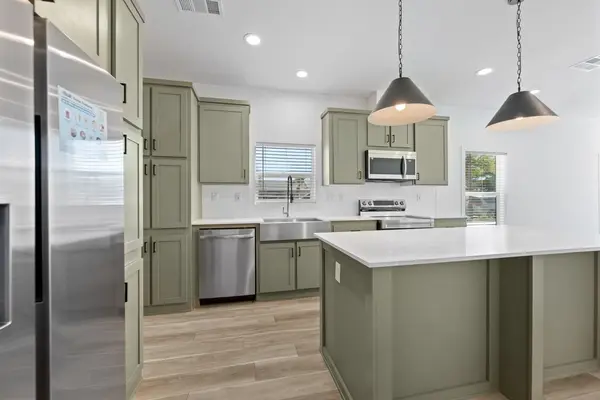
For example, buyers interested in new communities such as The Dunes in Brawley by Roben Homes can explore the construction type, available homes, financing options, and other property details before deciding whether a particular home fits their needs.
🏡 Learn More About The Dunes
Interested in exploring a new-home opportunity in Brawley?
Visit our dedicated The Dunes page to learn more about the community, available homes, and what to expect when considering a new construction home in Imperial County.
Learn More About The Dunes in Brawley
Whether you're a first-time buyer, looking for a newer home, or simply exploring your options in the Imperial Valley, The Dunes is one community worth taking a closer look at.
The Bottom Line
Manufactured and factory-built homes can provide valuable homeownership opportunities, but buyers need to understand what they're purchasing.
A manufactured home isn't automatically disqualified from traditional financing.
In fact, conventional mortgage programs can be available for eligible manufactured homes.
But permanent attachment, real-property classification, foundation requirements, land ownership, appraisal, title, and lender guidelines all matter.
And if you're considering a modular home, don't assume the same rules apply to it as a HUD-Code manufactured home.
Before You Make an Offer, Get the Financing Checked
If you're considering a manufactured, modular, or other factory-built home, one of the smartest things you can do is speak with a knowledgeable lender before making an offer.
Your real estate professional can help you investigate the property, while your lender can determine whether the home meets the requirements of the loan program you're considering.
The goal isn't simply to find a home you love.
It's to find a home you love that you can successfully finance, insure, own, and eventually sell.
This article is for general educational purposes only and is not mortgage, financial, legal, tax, appraisal, or construction advice. Financing requirements vary by lender and loan program. Property eligibility should always be confirmed with a qualified lender, title professional, and appropriate building or foundation professional before purchasing.
Recent Posts